


 HOME
HOME

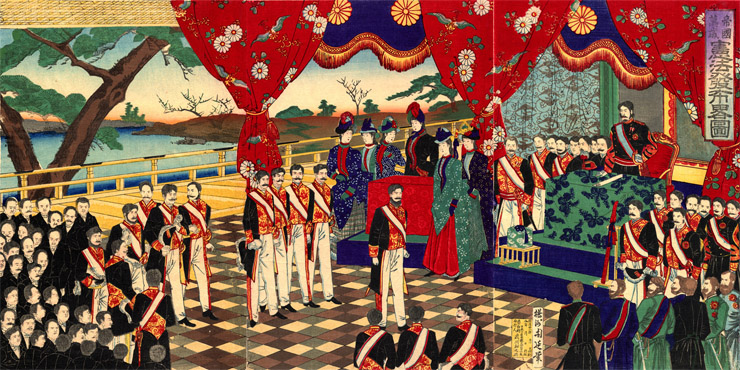
메이지 유신 (1868)
메이지 유신은 1868년 일본에서 일어난 근대적 대변혁으로, 약 250여 년간 지속된 도쿠가와 막부의 통치를 끝내고 천황 중심의 중앙집권 국가 체제를 복원·정립한 사건이다. 이 사건은 단순한 정치 개혁을 넘어 일본 사회 전체를 봉건적 질서에서 근대 국민국가로 전환시키는 출발점이 되었다. 1868년 도쿠가와 막부가 실질적 권력을 상실하고 권력의 자진 반환(대정봉환)으로 막부가 천황 아래로 정치 권력이 돌아왔다. 이로써 에도 시대가 끝나고 메이지 시대가 시작되었다. 다이묘(영주)와 사무라이 계급 중심의 봉건 체제는 폐지되고, 전국을 중앙 정부가 직접 통치하는 관료체계로 재편되었고 서양의 기술, 제도, 교육, 군사 조직 등을 받아들여 산업화·군사력 강화·교육 보급을 추진했다. 그리고 신분제 폐지, 근대적 화폐·세금 제도 수립, 철도·공장 등 인프라 건설 등이 이루어졌다. 메이지 유신은 일본을 고립된 봉건 사회에서 근대적 국가로 탈바꿈시키는 혁명적 전환점이었으며, 이후 일본은 서양 열강과 경쟁할 수 있는 산업·군사 대국으로 성장하게 되었다.
Meiji Restoration (1868)
The Meiji Restoration, also known as the Meiji Ishin, Renovation, Revolution, Reform, or Renewal, was an event that restored practical imperial rule to the Empire of Japan in 1868 under Emperor Meiji. Although there were ruling Emperors before the Meiji Restoration, the events restored practical abilities and consolidated the political system under the Emperor of Japan.
[Learn more]Source : Wikipedia
ⓢ Meiji Restoration Museum / 메이지유신 박물관
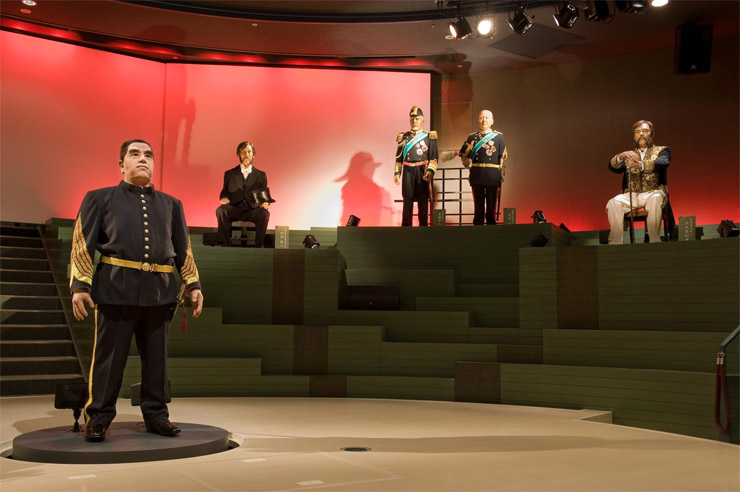
Meiji Restoration Museum
Learn about the history of the Meiji Restoration (1868) and young Imperial loyalists at the end of the Edo period (1603-1867). At this historical sightseeing facility, visitors can enjoy learning all about the Satsuma region at the end of the Edo period and the Meiji Restoration. It is located in Kajiya-cho, the birthplace of Saigo Takamori, Okubo Toshimichi and other key figures of the period, which has made it known as the home of the Meiji Restoration. The history of Kagoshima, which became the driving force of modern Japan, and the achievements of Kagoshima's forefathers are introduced using video, dioramas (models), and robots.
[more]출처 : Kagoshima

 0
0