


 HOME
HOME

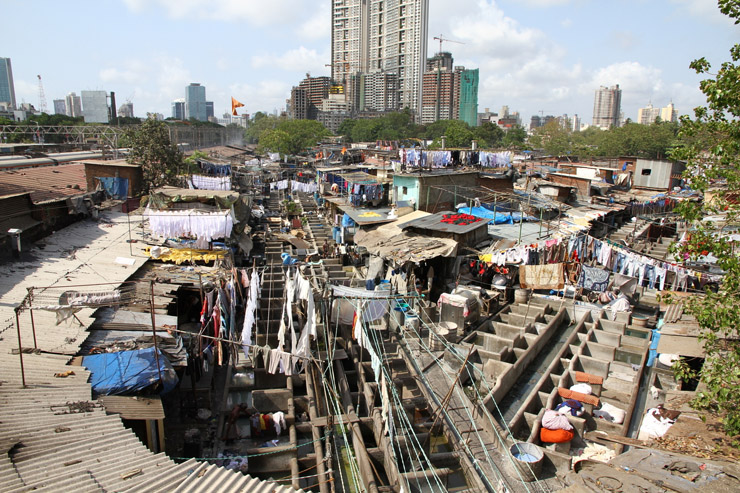
도비가트
뭄바이의 도비가트는 1890년 영국 식민지 시절에 만들어진 세계 최대 규모의 노천 빨래터로 '도비(Dhobi)'는 빨래꾼을, '가트(Ghat)'는 강가나 넓은 작업 공간을 의미하며, 뭄바이의 거대한 도시 시스템이 어떻게 돌아가는지를 보여주는 가장 역동적인 현장이다. 넓은 야외 콘크리트 세탁 공간마다 돌로 만든 세탁 반죽 돌이 배치되어, 빨래꾼들이 옷을 때리고 문질러 빨래한다. 약 7,000명 이상의 세탁업자가 하루 100,000벌 이상의 옷을 세탁하며, 호텔·병원·사람들의 빨래를 처리하는데 작업은 하루 18~20시간 동안 계속되며, 세탁 → 건조 → 다림질 → 배달까지 수작업으로 이뤄진다.
Dhobi Ghat
Dhobi Ghat (Mahalaxmi Dhobi Ghat) is an open air laundromat (lavoir) in Mumbai, India. The washers, known as dhobis, work in the open to clean clothes and linens from Mumbai's hotels and hospitals. It was constructed in 1890. There are rows of open-air concrete wash pens, each fitted with its own flogging stone. Called the world's largest outdoor laundry, Dhobi Ghat is a very popular attraction among foreign tourists.
[Learn more]Source : Wikipedia

ⓒ Caste / 카스트제도
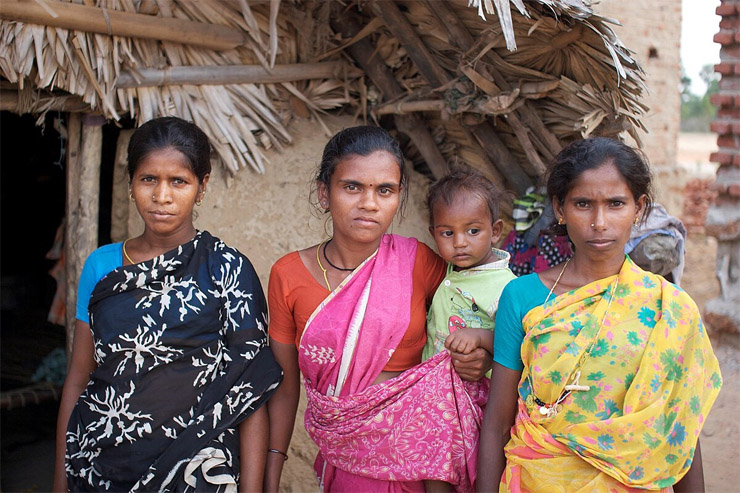
불가촉천민
불가촉천민(달리트)은 인도 사회의 전통적인 카스트 제도에서 가장 낮은 위치로 오랫동안 차별과 배제를 겪은 사회 집단이다. 전통적인 힌두교 카스트 제도에서는 브라만, 크샤트리아, 바이샤, 수드라의 네 계급이 있었지만 불가촉천민은 이 네 계급에도 속하지 않아 사회적 제외 대상이었다. '불가촉(untouchable)'의 의미는 다른 사람들과 접촉하면 부정,불결해진다고 여겨졌고, 접촉을 금지·제한하는 사회적 차별을 받았다는 의미다. 이들 스스로는 달리트라는 명칭을 주로 사용하며, 이는 산스크리트어로 '깨진·부서진·억압받는' 뜻을 갖는다. 불가촉천민에게는 부정·불결로 여겨졌던 직업(예: 시체 처리, 가죽 작업, 수동 오물 청소 등)을 가졌으며 그 결과 사람들의 삶의 영역이 철저히 분리되었고, 이들은 절·우물·학교 출입 제한, 같은 식기 사용 금지 등의 차별을 받았다.
Caste system in India
The caste system in India is the paradigmatic ethnographic instance of social classification based on castes. It has its origins in ancient India, and was transformed by various ruling elites in medieval, early-modern, and modern India, especially in the aftermath of the collapse of the Mughal Empire and the establishment of the British Raj. It is today the basis of affirmative action programmes in India as enforced through its constitution.[5] The caste system consists of two different concepts, varna and jati, which may be regarded as different levels of analysis of this system.
[Learn more]Source : Wikipedia
 0
0