

 HOME
HOME

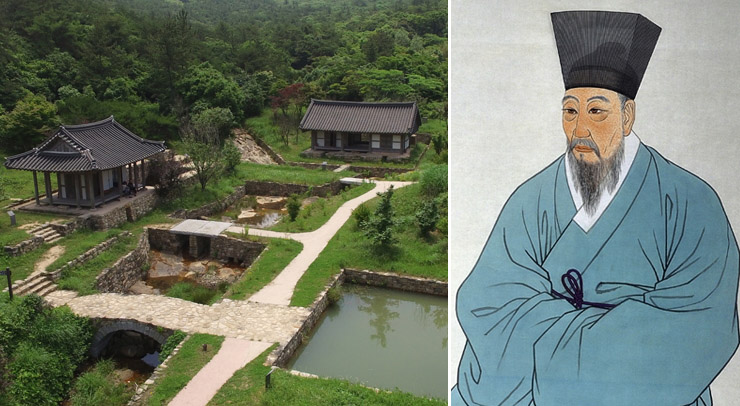
윤선도 (1587-1671)
윤선도는 평생 잦은 당쟁에 휘말려 여러 차례 유배되거나 관직을 버리고 은둔 생활을 했다. 이러한 유배지나 고향에서의 삶은 그의 문학적 기반이 되었다. 그는 자연 속에서의 삶을 최고의 가치로 여기고 그 아름다움을 노래했는데 당시 문인들이 한자어나 관념적인 표현을 주로 사용했던 것과 달리, 윤선도는 생생하고 구체적인 순우리말을 구사하여 자연의 감각적인 아름다움을 뛰어나게 표현했다. 특히 자연의 질서와 조화 속에서 인간의 도리를 노래한 〈어부사시사〉, 〈산중신곡〉 등으로 한국 서정문학의 절정을 이뤘다. 또한 유배지였던 보길도에 '부용동 정원'을 조성해 한국 조경사에서도 빼놓을 수 없는 인물이다.
Yun Seondo (1587-1671)
He was born in Seoul, in what is now South Korea. He achieved early success as a government official, but his straightforward character made enemies at court and he was banished for imprudent criticism of those in power. Thirteen years later he returned to become tutor to the royal princes but was later banished again. He spent most of his 85 years in his rustic country home, contemplating the nature of life, teaching and writing poetry.
[Learn more]Source : Wikipedia
ⓢ Bogildo Yunseondo Grove / 보길도 윤선도 원림
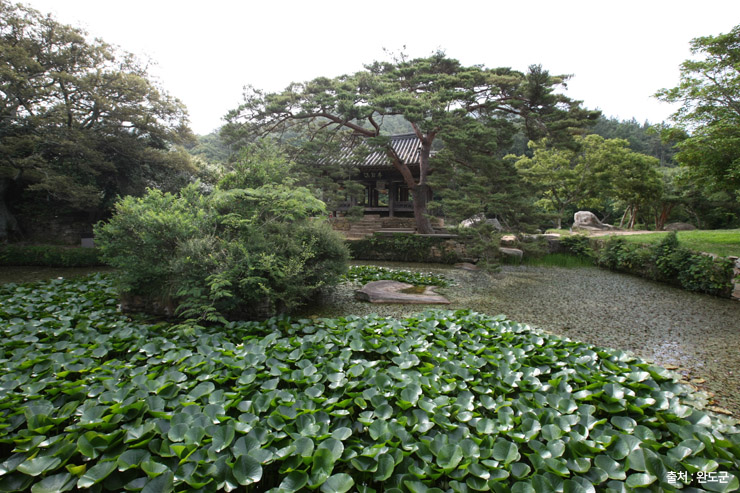
보길도 윤선도 원림
1636년 병자호란 후, 인조가 청나라에 항복했다는 소식을 듣고 육지에 사는 것을 부끄러워하여 제주도로 향하던 중 보길도의 수려한 경치에 반해 정착하면서 조성되었다. 윤선도는 이 정원이 위치한 지역을 연꽃 봉오리가 터지는 듯한 지형이라 하여 부용동(芙蓉洞)'이라 명명하고 이곳에서 자연과 더불어 유유자적하며 그의 대표작인《어부사시사》40수 등 주옥같은 시조와 한시를 다수 창작했다.
Bogildo Yunseondo Grove
Yunseondo Grove is a representative garden in Choseon Dynasty. While Yun Seon-do headed to Jeju during the Manchu invasion of Korea, he was captivated by the grand scenery of this island and stayed here. Valuable Korean poems like 'Oebusasisa' were written here.
[Learn more]Source : Wando-gun

 0
0