

 HOME
HOME

렘브란트 (1606-1669)
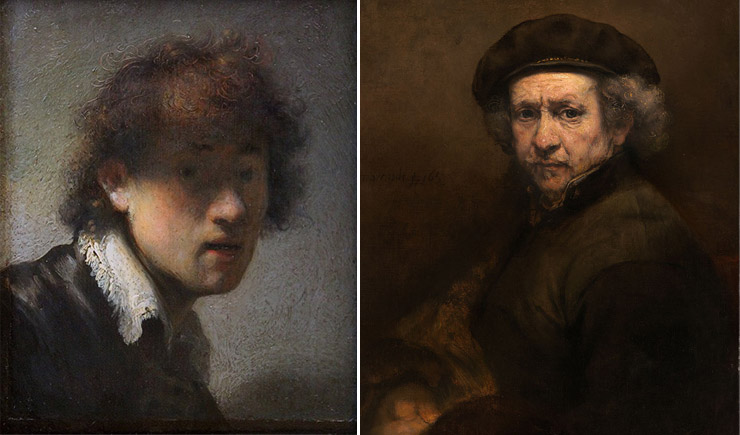
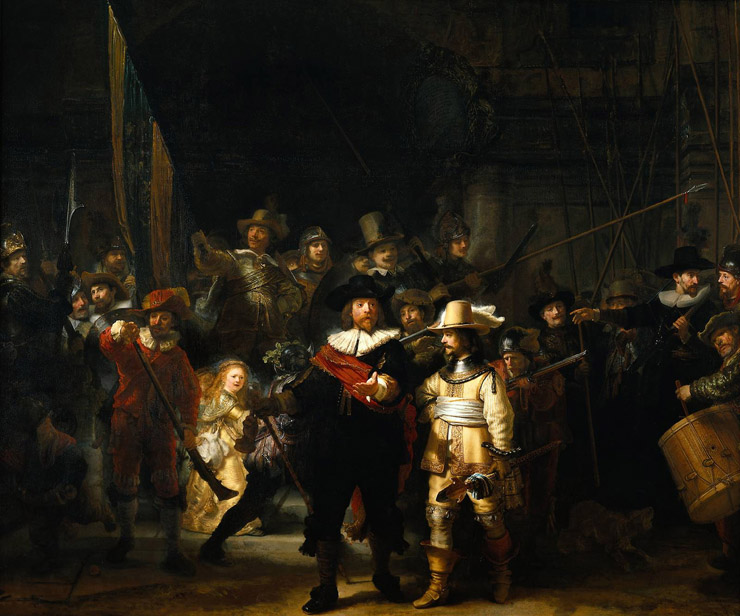
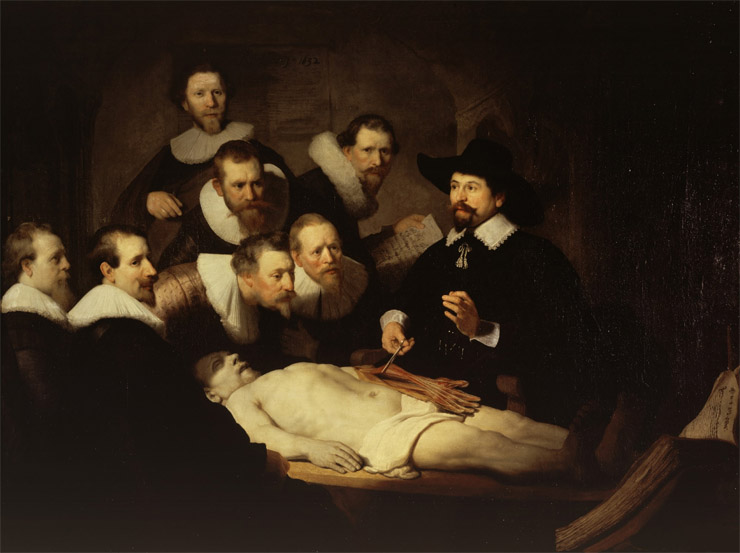
렘브란트 판 레인은 17세기 네덜란드 황금기를 이끈 거장이자 서양 미술사에서 '빛과 어둠의 마술사'로 불리는 화가로 단순히 대상을 똑같이 그리는 것을 넘어 빛의 대비를 통해 인물의 내면과 영혼을 포착해내는 데 천재적인 재능을 보였다. 렘브란트를 상징하는 가장 큰 특징은 극적인 명암 대비다. 화면 전체를 밝게 비추는 대신, 중요한 부분에만 강렬한 빛을 집중시키고 나머지는 깊은 어둠 속에 남겨둔다. 이 강렬한 대비는 관찰자의 시선을 주인공의 표정이나 손짓으로 유도하며 인물이 느끼는 슬픔, 고뇌, 성찰 같은 인간적인 감정을 극대화한다. 렘브란트는 젊은 시절 암스테르담에서 큰 명성을 얻고 부유한 상인의 딸 사스카와 결혼하며 부와 명예를 모두 가졌다. 하지만 사랑하는 아내와 자녀들의 죽음, 사치스러운 생활, 그리고 변화하는 대중의 취향에 영합하지 않는 예술적 고집으로 인해 결국 파산에 이르게 되었다. 경제적으로는 비참해졌지만 노년의 작품들은 오히려 기교를 넘어선 깊은 성찰과 숭고함을 담게 되었다. 그의 대표작으로는 시민군의 모습을 그린 <야경>, 아버지를 용서하는 아들의 장면을 그린 <돌아온 탕자>, 청년 렘브란트를 스타로 만들어준 작품 <튈프 박사의 해부학 강의> 등이 있으며 평생에 걸쳐 약 100여 점의 자화상을 남겼다..
Rembrandt (1606-1669)
Rembrandt Harmenszoon van Rijn was a Dutch draughtsman, painter, and printmaker. An innovative and prolific master in three media, he is generally considered one of the greatest visual artists in the history of art and the most important in Dutch art history. Unlike most Dutch masters of the 17th century, Rembrandt's works depict a wide range of style and subject matter, from portraits and self-portraits to landscapes, genre scenes, allegorical and historical scenes, and biblical and mythological themes as well as animal studies. His contributions to art came in a period of great wealth and cultural achievement that historians call the Dutch Golden Age, when Dutch art, although in many ways antithetical to the Baroque style that dominated Europe, was extremely prolific and innovative and gave rise to important new genres.
[Learn more]Source : Wikipedia
□ The Night Watch (Rijksmuseum, Amsterdam) / 야경 (암스테르담 국립미술관, 암스테르담)
□ The Anatomy Lesson of Dr.Nicolaes Tulp (Mauritshuis, Hague) / 니콜라스 튈프 박사의 해부학 강의 (마우리츠하이스 미술관, 헤이그)
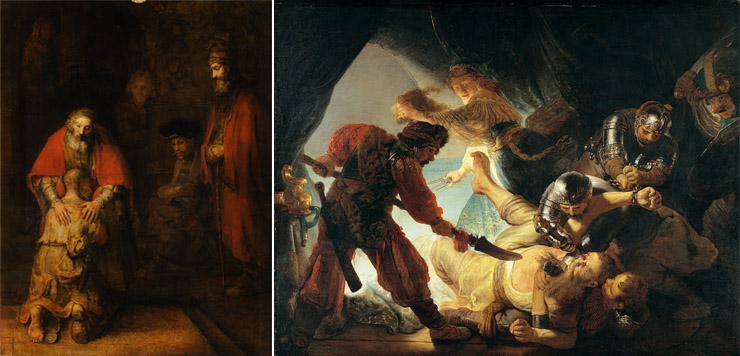
□ The Return of the Prodigal Son (Hermitage Museum, Saint Petersburg) / 돌아온 탕자 (에르미타주 미술관, 상트페테르부르크)
□ The Blinding of Samson (Staedel Museum. Frankfurt) / 눈 먼 삼손 (슈테델 미술관, 프랑크푸르트)
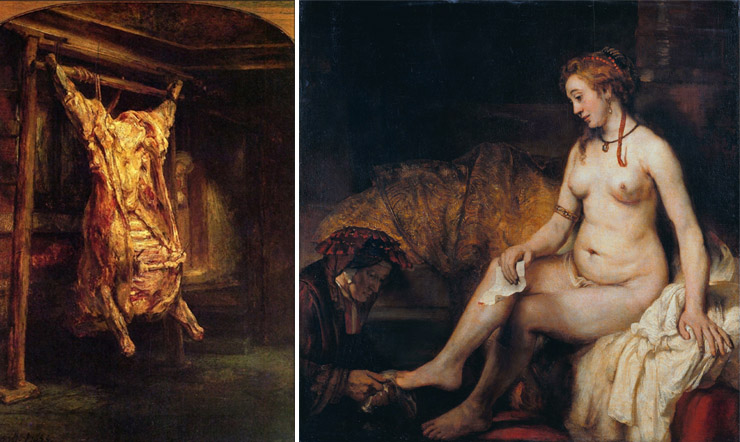
□ Slaughtered Ox (Louvre Museum. Paris) / 도살된 소 (루브르 박물관, 파리)
□ Bathsheba at Her Bath (Louvre Museum. Paris) / 목욕하는 밧세바 (루브르 박물관, 파리)
 0
0