


 HOME
HOME

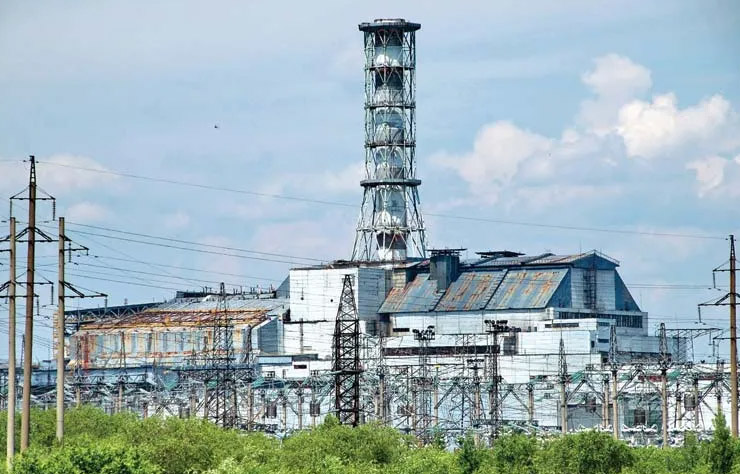
체르노빌 원자력 발전소 사고 (1986.4.26)
1986년 4월 26일, 구소련(현재의 우크라이나)에서 발생한 인류 역사상 최악의 원자력 사고로, 원자로의 가동 중단 시 비상 전력이 공급되기 전까지 관성으로 터빈이 돌아가며 냉각수를 공급할 수 있는지 테스트하던 중 발생했다. 원자로 설계 결함과 숙련되지 않은 운영진의 치명적인 실수가 겹치며 연쇄적인 폭발과 화재가 일어났다. 사고 직후 31명이 즉사하거나 급성 방사능 증후군으로 사망했으며, 이후 수천 명에서 수만 명이 암 등의 후유증으로 고통받았고 방사성 물질은 유럽 전역과 북반구 전체로 확산되었다. 사고 직후 4호기를 콘크리트로 덮은 석관을 만들었으며, 2016년에는 이를 더 안전하게 덮기 위해 100년 수명의 거대한 철제 구조물인 '신규 안전 격리 시설(NSC)'을 씌웠다.
Chernobyl Disaster (1986.4.26)
The Chernobyl disaster was a nuclear accident that occurred on 26 April 1986 at the No. 4 reactor in the Chernobyl Nuclear Power Plant, near the city of Pripyat in the north of the Ukrainian SSR in the Soviet Union. It is one of only two nuclear energy accidents rated at seven—the maximum severity—on the International Nuclear Event Scale, the other being the 2011 Fukushima nuclear disaster in Japan. The initial emergency response, together with later decontamination of the environment, involved more than 500,000 personnel and cost an estimated 18 billion roubles—roughly US$68 billion in 2019, adjusted for inflation.
[Learn more]Source : Wikipedia

 0
0