

 HOME
HOME

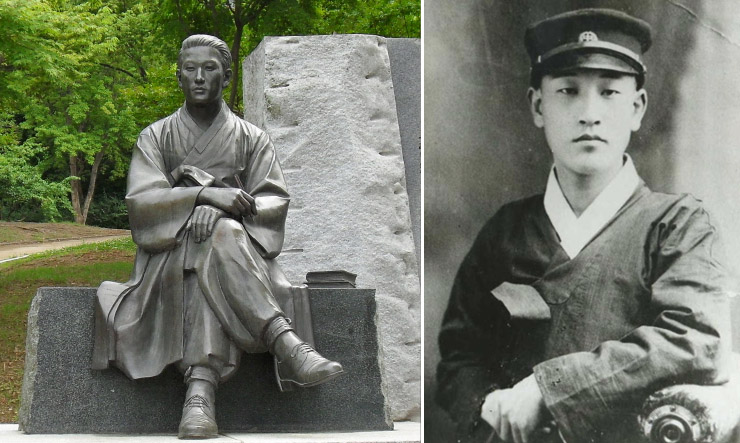
이상화 (1901-1943)
이상화는 대구의 명문 집안에서 태어났으며, 젊은 시절부터 예술과 민족의식을 함께 품은 문학 청년이었다. 그는 일제 식민통치 속에서 조국의 현실과 민족의 고통을 깊이 느끼며, 이를 시적 감수성·낭만적 정서로 승화해 독창적 문학 세계를 만들었다. 그의 대표작 <빼앗긴 들에도 봄은 오는가〉(1926)는 “봄”을 희망으로, “빼앗긴 들”을 국토·민족 현실로 상징화해 식민지 민족문학의 최고 걸작으로 꼽힌다. 감정의 절제, 상징성, 서정적 언어가 조화를 이루어 시대와 세대를 넘어 널리 사랑받는다. 그 밖에도 도시적 감수성과 상징성을 담은 〈나의 침실로〉, 〈폐허〉, 〈빼앗긴 들 조국〉, 〈영원의 우물〉 등을 통해 낭만주의적 정서와 민족 현실 비판을 함께 보여주었다. 문학 활동 외에도 미술·음악에 대한 감각이 뛰어나 대구 예술계의 중심에서 활동했으며, 항일 예술인들과 교류하며 시대적 저항을 이어갔다. 1943년 42세로 요절했다.
Yi Sanghwa (1901-1943)
Yi Sang-hwa, who sometimes published under the names Muryang, Sanghwa, and Baega, was born May 22, 1901, in Daegu. but graduated from Jungdong High School in Seoul. He then went to Japan, where he studied French literature. In 1923 he returned to Korea and taught English and French in a Daegu high school. According to Choe Chong-dae, "His reputation grew as a young promising poet after composing the poem entitled 'Does spring come to these stripped lands?' in 1926, which was published in the 70th edition Magazine of Kaebyuk," the contents of which led to the magazine being suspended by the authorities.
[Learn more]Source : Wikipedia

ⓢ Yi Sanghwa's Old House / 이상화 고택
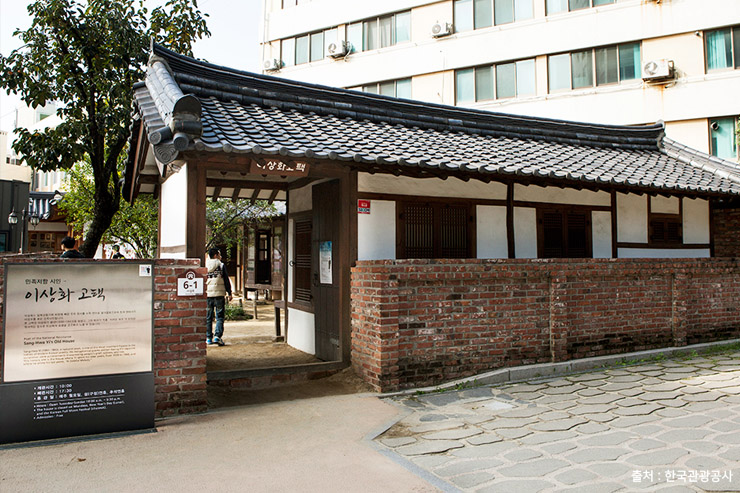
이상화 고택
이상화 고택은 1999년부터 고택을 보존하자는 시민운동을 시작으로 군인공제회에서 인근 주상복합아파트를 건립하면서 고택을 매입해 지난 2005년 10월 27일 대구시에 기부하여, 대구시는 그동안 고택을 보수하고 고택보존시민운동본부에서 모금한 재원으로 고택 내 전시물 설치를 하였다. 이상화 고택은 암울한 시대를 살면서 일제에 저항한 민족시인 이상화의 정신을 기리고, 후손에게 선생의 드높은 우국정신과 문학적 업적을 계승하는 교육의 장으로 활용되고 있다.
[자세히보기]출처 : 대구광역시 중구
Yi Sanghwa's Old House
The movement to preserve the old home of Sang-hwa Lee culminated with the Military Mutual Aid Association purchasing and donating the building in 2005. Daegu City has reconstructed and completed setting up displays within the home. The house of Sang-ha Lee honors the nationalistic mind that prevailed during the Japanese Colonial Period and will continue to serve as an important educational site.
[Learn more]Source : DAEGU METROPOLITAN CITY

 0
0